

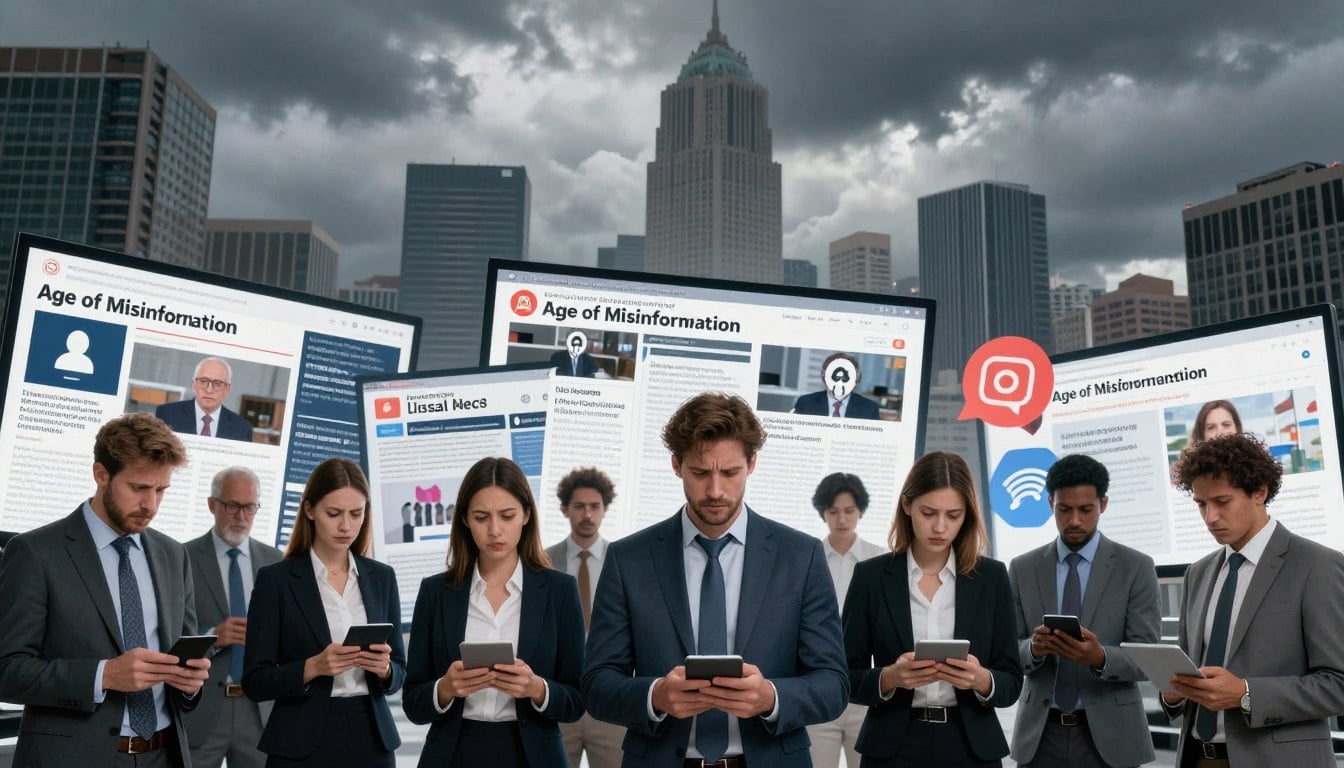
We’re living in a time where truth is hard to find. This age of misinformation affects how we raise our kids, vote, and even pray. In today’s world, feelings often win over facts, making some families more at risk.
Oxford Dictionaries called 2016 the year of “post-truth.” Events like Brexit and the U.S. election showed how fast news can change our world. Studies show we often click on things that agree with us. False news can even affect the stock market, like when a rumor about Vitalik Buterin briefly dropped billions from cryptocurrency.
Feeling lost can make us anxious. Pew Research found many adults feel overwhelmed by fake news. Nearly a quarter admitted to sharing false stories. At Impact Family Christian Counseling, we believe in the power of faith and clear thinking. We invite you to join us on a journey toward truth, healing, and learning to spot fake news.
The Rise of Post-Truth and the Modern Information Landscape
Oxford Dictionaries named post-truth its 2016 word of the year. This moment showed how feelings were becoming more important than facts. Brexit and the 2016 U.S. election showed how online stories can change real life.
Digital culture has changed who tells the story. Facebook and Twitter let people share quick, emotional claims easily. Kevin Kelly and others warned that these networks can spread false information that looks real.
Pew Research Center found many Americans felt lost after 2016. Surveys showed 64% of adults saw fake news as a big problem. About 23% admitted to sharing false political stories without checking them.
Experts are split on the future. A 2017 survey by Pew and the Imagining the Internet Center showed almost equal opinions on the information environment’s future. This reflects doubts about platforms, rules, and how people use them.
Echo chambers form when people follow those who agree with them. In these closed spaces, trust in media falls and facts matter less. We see this in online comments, private groups, and feeds that favor emotions over facts.
As a faith community, we find this confusing and unsettling. Psalm 119:105 reminds us that God’s word guides us. We encourage prayer, talking to trusted leaders, and using scripture to navigate today’s information world with care and compassion.
How social platforms and algorithms fuel misinformation
Social media algorithms shape what we see, focusing on what grabs our attention. They rank posts based on how likely they are to engage us. This means sensational content often gets more attention than accurate news.
A Facebook study looked at 376 million users and over 900 news outlets. It found that people tend to stick to content that matches their views. This creates echo chambers where one viewpoint gets amplified.
Platforms aim to keep us scrolling. In the engagement economy, likes and shares mean more visibility. Researchers have shown that false or sensational content often beats the truth, like during elections.
Spreading lies is cheap and easy, making it appealing to those who want to harm. Experts say simple fixes won’t solve the problem. Ideas like verified IDs or changing how posts are ranked face challenges in privacy and practicality.
Top company leaders have admitted to gaps in ethics and limits to accountability. They struggle to balance growth with doing what’s right. This struggle affects how they handle content and design.
We’ll discuss practical solutions later. But for now, faith communities can play a role. By curating trusted feeds and verifying information, they can help. These actions help resist the pull of echo chambers and the engagement economy.
Age of Misinformation: Who Benefits and Who Loses
We need to identify who wins when truth is distorted. Political figures gain from confusion. They use false claims to sway votes and silence opponents.
Commercial marketers and online entrepreneurs make money from clicks. Ad networks and influencers benefit from these tactics. A single false rumor can quickly change a product’s fate, affecting real people’s money.
Financial reports show the damage. False information about stocks or companies can lower prices. Small investors often lose, while big players make gains.
Those already facing challenges suffer the most. African-American, Latinx, and Asian communities face targeted lies. These lies can increase tensions and hurt trust.
Systemic issues make some groups more vulnerable. Inequality, lack of reliable info, and past injustices play a role. Experts say fixing these problems is more important than just fixing the tech.
Our moral duty meets practical steps. Protecting vulnerable groups from false info is key. We must fight for fair systems. Proverbs 31:8-9 urge us to speak for those who can’t, guiding our actions.
- Who gains: political actors, commercial marketers, platform intermediaries.
- Who loses: small investors, marginalized groups, community trust.
- What drives it: inequality, targeted campaigns, perverse incentives.
Why Misinformation Is a Social Condition, Not a Simple Technical Bug
We must see misinformation as a part of our communities and institutions. Tom Rosenstiel says it’s not just a quick fix. It’s more like a chronic illness that needs ongoing care and attention.
Technology can make things worse, but it doesn’t start problems. Studies show people come together around shared beliefs. These beliefs can move away from facts and become a common pattern in communities.
Seeing misinformation as a social issue means we need to focus on long-term solutions. We should build cultural support, public norms, and policies that fight harmful ideas. This includes teaching media literacy, using trusted voices, and setting examples with responsible institutions.
Quick fixes are unlikely because of the internet’s size and the need for reliable solutions. Experts say that incentives and echo chambers keep false information alive. This makes it hard to stop.
We need to keep working together, using faith and civic love. We should teach regularly, correct patiently, and hold people accountable. This approach helps rebuild trust and guides us back to the truth.
We can take small steps in our daily lives. Encourage group learning, create spaces for kind correction, and expect leaders to be honest. Treating misinformation as a social issue means we focus on building relationships, not just fixing technology.
Measured Impacts on Media Trust, Politics, Science, and the Economy
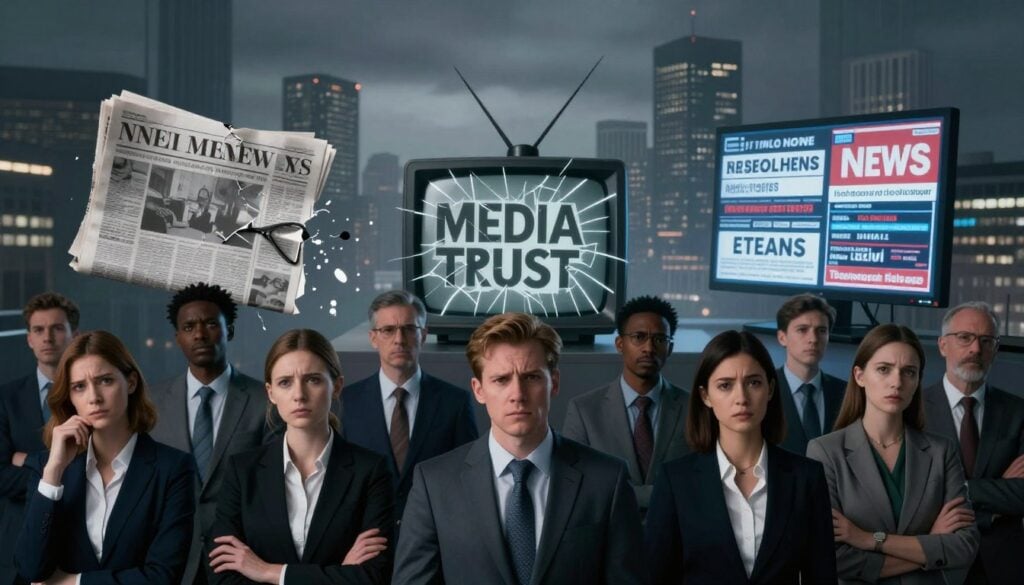
We look at how fake news affects four areas: media, politics, science, and the economy. Studies by Edelman and Gallup show a drop in trust for news. Axios found big drops in how people interact with news and watch cable TV from 2021 to 2022.
People get mixed messages. Some studies say people can tell when news is fake. But others show that doubt can make people stop reading news altogether. This makes it harder for communities to trust information.
In politics, many say fake news weakens democracy. Studies on the 2016 U.S. election and Brexit show how false stories spread. They found that false news can change people’s views and make groups more divided.
While it’s hard to say one fake story changed votes, many false stories together can make people more divided. This makes it harder to agree on facts in public debates.
Science is also affected by fake news. Early debates on COVID-19 show how false information can spread. This weakens trust in places like the CDC and universities.
Experts say we should be careful not to call new ideas conspiracy theories too fast. This helps keep families and communities from getting bad health and education advice.
Economic effects of fake news are seen in market changes and long-term choices. For example, fake news can cause price changes in crypto and reward sensational content creators. This shows how fake news can make markets unstable and unfair.
Business models and the need for attention make fake news profitable. This affects publishers, advertisers, and people who need accurate info for money decisions.
We suggest churches and local groups create trusted sources and work with reliable institutions. Pastors can help families understand public health and civic info when trust is low.
Practical media-literacy steps for readers in diverse communities
We invite families and congregations to slow down false news. Before sharing, pause and check. Many forward false stories by mistake. A short pause helps and teaches kids about media literacy.
Teach everyone to fact-check. Use PolitiFact and FactCheck.org for political claims. Check a story with two trusted sources before sharing. Teach kids to verify images and dates.
Start community verification teams in churches, mosques, or neighborhoods. Small groups can check viral claims. They can share clear summaries in your community’s language.
- Limit sensational feeds. Choose local reporters and faith leaders for your media.
- Have family or congregation sessions on digital discernment for kids and teens.
- Work with libraries, colleges, or community centers for workshops and training.
Teach youth digital discernment in Sunday school or family devotions. Frame truth-seeking as loving your neighbor. Use exercises that mix practical steps with faith and humility.
Support mental and spiritual wellness when misinformation causes anxiety. Use tools like verification and prayer. Read scripture like Philippians 4:6–7 to calm fear and strengthen resolve.
Make these steps a routine. Small actions build resilience. When a community commits to these skills, trust grows, and rumors lose power.