

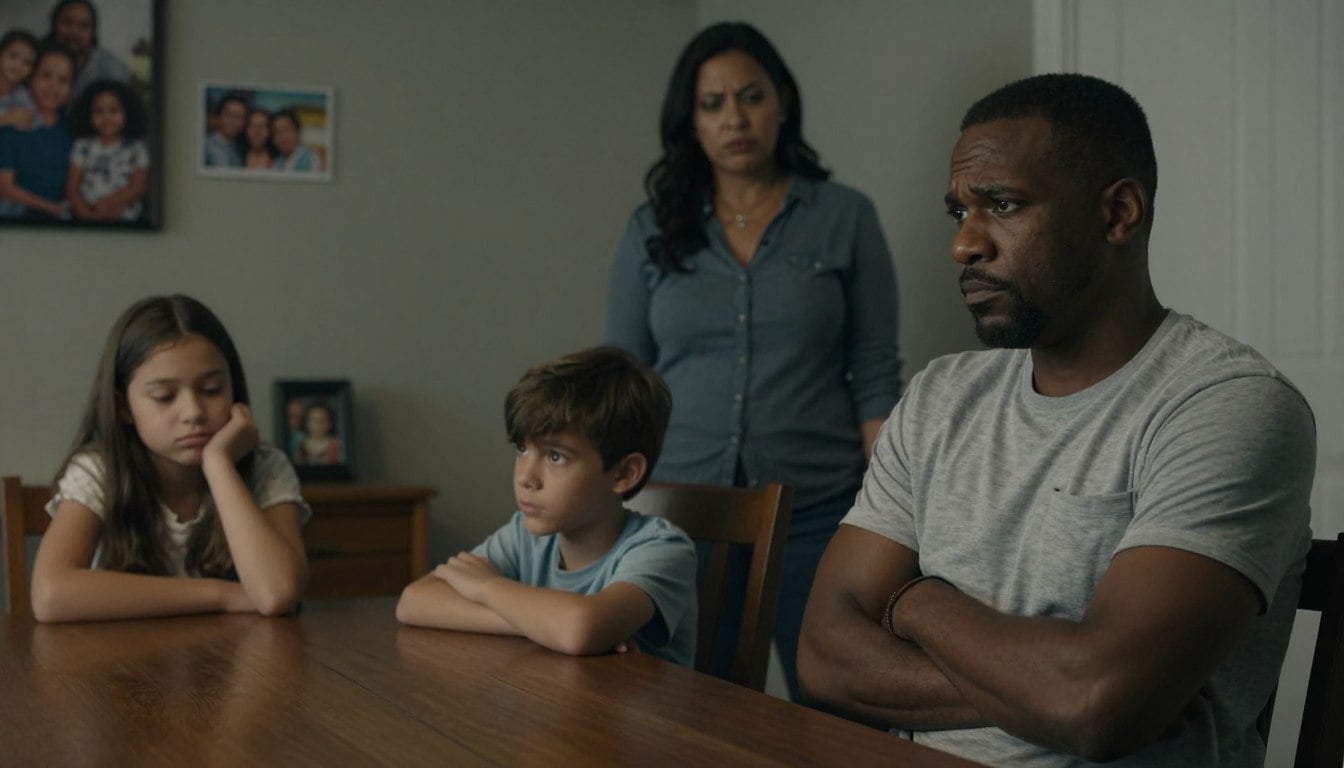
We often seek counseling when fear and silence grow. You might see a family power imbalance where someone feels small, hides their feelings, or is always careful. If not addressed, this can damage faith, hope, and relationships.
At Impact Family Christian Counseling, we start by naming the problem. We aim to help families and survivors spot control and coercion. Our goal is to protect safety, restore dignity, and start healing through Christ-centered counseling.
Unhealthy dominance can stem from addiction, mental illness, abusive partners, or generational trauma. These issues often connect to adverse childhood experiences like abuse, neglect, or witnessing violence. Such experiences can lead to repeating harmful patterns in the next generation.
The effects of unhealthy dominance go beyond behavior. It can harm our spirit and emotions. Shame, secrecy, numbness, low self-esteem, anxiety, and feeling disconnected from God and others are common. That’s why faith-integrated care is important: we tackle safety, emotions, and soul together.
In this article, we’ll discuss clear signs of unhealthy dominance. We’ll explore how it shows up in rules, roles, communication, neglect, and even physical or sexual abuse. We’ll also talk about religious misuse and practical ways to heal, set boundaries, and break cycles through Christian counseling.
If you or a loved one need help, consider pastoral counseling with Impact Family Christian Counseling. We offer compassion, wisdom, and prayer as you heal.
What Unhealthy Dominance in Family Looks Like: Defining Controlling and Coercive Behavior
Controlling behavior is when someone tries to control another person’s choices, money, and how they feel about themselves. It’s not just one angry moment. It’s a constant effort to limit freedom and shape daily life.
Coercive control in families includes things like not letting someone have money, watching their phone calls, or isolating them from others. It also means making threats, like “Do it or I won’t talk to you.” Constantly belittling or criticizing someone is another sign.
Power and control dynamics are about making someone dependent and scared. This is done through manipulation, neglect, and intimidation. It’s not just about disagreeing. It’s about gaining power over someone.
Gaslighting is a common tactic. It means denying things happened, changing memories, and making someone doubt their own reality. When gaslighting happens, trust in oneself starts to fade, and feeling isolated grows.
Coercive control often goes hand in hand with substance abuse, mental health issues, or abusive parenting. These issues don’t excuse the behavior. They help explain why the cycle of dysfunction continues.
There’s also a spiritual side to this. Using spiritual language to justify control is wrong. Healthy Christian leadership promotes freedom, respect, and humility. It’s about supporting each other, not controlling each other, as seen in Philippians 2:3-4 and Galatians 5:1. Faith should set us free, not trap us.
Here’s a checklist to spot controlling behavior in your home:
- Repeated ultimatums that threaten relationships or stability
- Surveillance of calls, texts, social media, or movements
- Strict financial restriction or denial of access to money
- Consistent undermining of decisions and self-worth
- Enforced secrecy about family matters
- Threats to safety, job, or housing to maintain control
Watch for small changes in power and control dynamics. If you see signs of control, seek help. Small changes can mean big problems that need attention and care.
Common Early Warning Signs of Emotional and Psychological Control
We look for patterns that quietly shape a home. Chronic criticism, name-calling, and belittling comments wear down a person’s sense of worth. These are classic early warning signs controlling family life can show.
Minimizing feelings or enforcing a “don’t talk” family rule cuts off honest expression. Caregivers who punish emotion or dismiss sorrow teach children to hide pain. This pattern leads to childhood emotional neglect, where kids learn to care for others’ feelings while losing touch with their own.
Adults may spot emotional abuse signs in themselves when trust feels fragile. They might feel unworthy, apologize for asking for needs, or become anxious before family gatherings. Some people notice they act like a different person around relatives, slipping into people-pleasing to avoid conflict.
- Persistent secrecy and unpredictable caregiver reactions that make members walk on eggshells
- Passive-aggressive behaviors, silent treatment, or humiliation during disagreements
- Reactive abuse: provoking a response, then blaming the one who reacted
We should pay attention to psychological manipulation indicators such as gaslighting, frequent denial of facts, or shifting blame. These tactics cause confusion and self-doubt. Keeping a simple record of dates and facts helps preserve clarity when memory is challenged.
Try practical steps to protect your sense of truth. Journaling feelings before and after contact reveals patterns over time. Document incidents of manipulation with brief notes. This practice makes emotional abuse signs easier to see and discuss with a counselor or pastor.
We hold a faith-centered hope: God sees the wounded and calls us to truth and freedom (John 8:32). It is okay to name harm, seek help, and learn boundaries that lead toward healing and safety.
How Rigid Family Rules and Roles Maintain Unhealthy Power Dynamics
In many homes, unspoken rules are common. Phrases like “Don’t talk,” “Don’t trust,” and “Don’t feel” act as invisible laws. These rules control conversations and make it hard to feel safe and loved.
When family rules become dysfunctional, people fall into fixed roles. A child might become the scapegoat, the hero, the lost child, or the enabler. Some children are parentified, taking on adult tasks and emotional labor too soon. These roles create power imbalances and hinder emotional growth.
Adverse Childhood Experiences are linked to these patterns. Intergenerational rules that protect an addict or deny abuse hide the truth and pass trauma down. Kids raised under such rules often grow up anxious and hypervigilant, waiting for the next crisis.
Unpredictability worsens the harm. Harsh, arbitrary rules create fear. On the other hand, chaotic absence of rules leaves children without reliable care. Either extreme teaches that caregivers are not safe, keeping families in unhealthy cycles.
We offer a faith-centered approach for healthier boundaries. Scripture guides us toward honesty, mutual respect, accountability, and grace. Ephesians 4:25 urges truth-telling. Matthew 18:15-17 gives steps for addressing hurt within the community. These principles can replace secrecy with safe disclosure and pastoral or counseling support.
- Identify rigid family rules that harm and write them down.
- Name the roles people play and how family roles codependency shows up.
- Share concerns with a trusted leader, counselor, or pastor to start redesigning boundaries.
- Replace family rules dysfunctional secrecy with practices of honest, loving accountability.
We encourage gentle, steady change. Small acts of truth and consistent boundaries can interrupt intergenerational rules and free children from unfair responsibilities. Counseling helps families rewrite their story with safety, faith, and hope.
Signs of Unhealthy Dominance in Family
We’ve listed common signs of family dominance to help you spot them early. Look out for too much criticism, controlling decisions, and isolating family members. Also, watch for financial manipulation, chronic shaming, threats, and constant surveillance.
Repeated gaslighting, crossing boundaries, and neglect often go together. These signs can make people doubt themselves and lose their sense of identity.
- Excessive criticism and chronic shaming
- Controlling financial choices and limiting access to resources
- Isolation from friends, work, or extended family
- Surveillance, monitoring devices, and invasive questioning
- Threats, intimidation, and repeated gaslighting
- Withholding affection, stonewalling, and passive coercion
- Physical restraint or sexual coercion at the severe end
Emotional dominance shows up as low self-esteem and chronic shame. It can also lead to anxiety, depression, and trouble forming healthy relationships. Survivors often feel guilty and confused about who they are.
Others might downplay or ignore the abuse, saying things like “At least they’re not cheating.” Or they might stay silent. This helps keep the abuse hidden. Denial, secrecy, and defending the abuser are common ways to keep the truth hidden.
Family abuse can range from passive to active control. Some families use passive methods like ignoring or withholding love. Others use more aggressive tactics like physical or sexual abuse. We’ll look at how abuse can escalate later.
Shame and secrecy are often used to stop people from seeking help. The church can offer a safe space, truth, and support. We encourage faith communities to provide shelter, counseling, and practical help for those affected.

Behavioral Patterns That Reveal Dominance: Jealousy, Possessiveness, and Surveillance
In homes, dominance can show up in certain ways. It often starts with constant questions about someone’s whereabouts or who they’re with. Actions like checking phones, tracking locations, and demanding passwords are signs of surveillance.
At first, it might seem small. A partner or parent might ask to see messages just once. But soon, snooping becomes a regular thing. They might limit visits with friends, tell someone not to go to events, or always need to be called.
Possessiveness can grow stronger. This can lead to isolation when social ties are broken. Financial controls, not allowing access to transportation, and strict rules on communication can become very controlling.
The emotional toll is huge. Victims often feel trapped and lose their sense of self. They become very watchful and trust starts to fade. Real intimacy and family life suffer under constant watch and suspicion.
- Examples we observe: checking locations, reading messages, blocking contacts.
- Common justifications: “I’m only protecting you” or “jealousy proves I care.”
- Warning signs: demands for passwords, persistent questions about friendships, sudden limits on money or travel.
We suggest faith-based responses that respect dignity. Galatians 5:13 talks about loving freedom. Setting clear, biblical boundaries can stop harmful behaviors. It’s important to document behavior, keep records, and have a safety plan if surveillance gets worse.
Impact Family Christian Counseling offers help for couples and families dealing with jealousy and possessiveness. We help rebuild trust, create accountability plans, and support healing that respects biblical values and personal safety.
How Dysfunctional Communication Reinforces Dominance
Controlling behaviors can be quiet or loud. Stonewalling, yelling, blaming, and shaming kill honest speech. These actions are key in dysfunctional family communication and keep power with the abuser.
Gaslighting makes memory and truth a fight. When someone denies or changes facts, victims start to doubt themselves. This is a major tool in family abuse.
Passive-aggression and triangulation cause hidden harm. Backhanded compliments, indirect insults, and involving others in private fights damage trust. These actions prevent healthy conflict and build long-term resentment.
Abusers often say strong reactions are the problem. When a hurt person speaks up, the abuser calls it “reactive abuse.” This teaches silence and fear of speaking out.
- Notice common tactics: interrupting, minimizing feelings, sarcasm, and “I told you so.”
- Watch for denials that make you question what you remember.
- Be aware when third parties get pulled into private disputes.
We suggest practical ways to protect and repair. Use “I” statements to clearly express needs. Try simple safe conversation scripts to calm tense moments. When needed, the gray-rock technique can reduce escalation.
Know when to pause or step away. Taking a break from a heated argument can help you regroup and prevent further harm.
We value Scripture but prioritize safety. Matthew 18:15–17 guides us toward reconciliation when it’s safe. Reconciliation should never mean enduring ongoing abuse or harm.
If you feel trapped, seek help from trusted clergy, a licensed counselor, or Christian counselors who understand faith and family dynamics. We support you with compassion and wisdom as you protect your truth and seek healing.
Signs of Neglect and Emotional Unavailability That Support Dominance
Emotional neglect in families is like a silent gap where feelings are ignored. When caregivers don’t notice, children feel their feelings don’t matter. This belief can lead to unhealthy dominance.
Caregiver unavailability signs are often missed moments. A child might cry and not get comfort. Or, requests for help are ignored.
Parents caught up in their own stress might not see their child’s fear or sadness. This neglect can make children unsure of what to expect.
Childhood emotional neglect can make it hard for kids to express their feelings. As adults, they might try too hard to please others. They may struggle to set boundaries and could repeat neglectful behavior with their own kids.
- Lack of comfort when distressed.
- Inconsistent emotional support.
- Parents distracted by personal problems.
- Failure to establish safe, predictable routines.
Long-term effects include anxiety, depression, and feeling isolated. We’ve seen families where neglect has lasted for generations. Yet, there is always hope.
Our faith offers healing that teaches us to name and understand our emotions. Romans 8:38-39 reminds us that God’s love never fails. This truth can help us rebuild our self-worth and steady our hearts.
Practical steps can help us move from neglect to consistent care. We recommend faith-based counseling to teach emotional awareness. Creating simple, predictable routines can help build safety. And practicing small, loving responses can become second nature.
We support families as they learn to notice and respond to feelings with compassion. With consistent effort and a Christlike example, we can break the cycle of emotional neglect and replace it with lasting care.
When Dominance Crosses Into Physical or Sexual Abuse

We must recognize when control turns into crime. Strict rules or harsh words can become deadly if they lead to physical harm or forced sex. Dominance is abuse when someone uses force, fear, or threats to control others.
Look out for warning signs. Unexplained bruises, broken items after fights, or frequent “accidents” might mean physical abuse. Forced sex, sexual coercion, or any pressure for sexual acts are signs of sexual abuse.
Abuse often starts small but gets worse. A partner might take keys, hide medication, limit phone use, or control bank accounts. They might threaten to take the house, finances, or children to keep control.
- Unexplained injuries and repeated medical visits that avoid full explanation.
- Threats of harm, intimidation, or use of physical force.
- Forced or coerced sexual acts and sexual shaming.
- Isolation from friends, family, and care; restricted access to doctors.
- Financial control that prevents escape or autonomy.
Coercive control is seen in everyday actions that take away freedom. Taking away necessities, using physical intimidation, and threatening loss of home or custody are tactics used to maintain dominance. These actions align with domestic violence family patterns and need immediate attention.
We urge practical safety steps when danger is present. Create a safety plan with dates and facts documented. Call 911 in immediate danger. Contact a domestic violence hotline or local shelter for guidance and secure a confidential place if needed.
From a pastoral view, abuse is sin and must not be excused. Scripture asks us to speak for those who cannot speak for themselves (Proverbs 31:8-9). Churches should protect the vulnerable and provide refuge, not cover harm. Impact Family Christian Counseling offers crisis counseling, safety planning, and referrals for legal aid when appropriate.
Report abuse when needed and seek legal protection such as restraining orders. We commit to survivor-centered, confidential care that respects faith and supports healing. If you or someone you love faces domestic violence family danger, reach out now for help that honors both safety and spiritual wholeness.
Religious and Spiritual Misuse: How Dominance Can Hide Behind Faith
Spiritual language can be used to harm. It turns prayer, Scripture, and church roles into tools of control. This creates spiritual abuse signs that feel holy but leave people shamed, silenced, or isolated.
Examples show the pattern. A leader who says questioning is sinful or treats obedience as the only proof of faith is using scripture misuse control. A family member who misquotes verses to justify punishment or threatens spiritual consequences is practicing spiritual coercion. A parent who claims God’s favor depends on absolute submission is engaging in religious manipulation family tactics.
Normalization and shame often keep victims quiet. Phrases like “at least they’re providing” or “this is how families are” create pressure to stay. Spiritual language adds a sacred layer that makes speaking up feel like betrayal. These patterns point to spiritual abuse signs and the need for clear spiritual accountability.
Scripture calls leaders to a different standard. Jesus modeled servant-hearted leadership in Matthew 20:26-28. James warns that teachers face stricter judgment in James 3:1. Paul urges us to speak truth in love in Ephesians 4:15. These passages push against scripture misuse control and remind congregations to protect the vulnerable.
Pastors and church members must validate survivors and avoid dismissing reports. Psalm 34:18 and Isaiah 61:1 offer comfort and promise healing for the broken. Pastoral care that listens, believes, and acts prevents religious manipulation family dynamics from continuing unchecked.
We offer faith-based counseling to help survivors distinguish healthy disciplines from spiritual coercion. Impact Family Christian Counseling supports pastoral accountability, teaches boundary setting, and guides families toward restoration and safety. We walk with you as you rebuild trust in faith and community.
Healing, Boundary-Setting, and Breaking Generational Cycles From a Christian Counseling Perspective
We start by facing the harm and patterns. In counseling, we help families see what hurt them. This opens the door for healing, as Psalm 147:3 says God heals the brokenhearted.
Then, we work on confession and forgiveness when it’s safe. When both are possible, they free the heart. If safety requires distance, we teach clear boundaries. These protect while keeping accountability.
Setting boundaries is key. We use simple scripts, consistent consequences, and plans for reduced contact when needed. Safety always comes first, keeping children and vulnerable adults safe.
- Scripted responses for common conflicts
- Consistent follow-through on stated limits
- Clear steps for reduced contact until trust rebuilds
Our approach combines scripture with skills training. We teach emotional control, empathy, and understanding children’s needs. This blend of wisdom and prayer supports healing.
Breaking generational trauma means looking at learned behaviors and taking responsibility. We encourage parents to show healthier ways, use books and counseling, and get church support.
Faith practices help in ongoing healing. Daily prayer, meditation on Romans 12:2, and church support replace shame with Christ’s identity. Regular activities like worship and small groups keep hope alive.
- Acknowledge harm and name patterns.
- Set firm, clear Christian counseling boundaries.
- Practice confession, forgiveness, and safe restoration.
- Pursue accountability and model new family habits.
Consider Christian family counseling for boundary coaching and system work. Impact Family Christian Counseling offers plans that heal, ensure safety, and break cycles. Your family can find healing and become a faith-based healing family. Reach out for guided restoration and lasting change.