

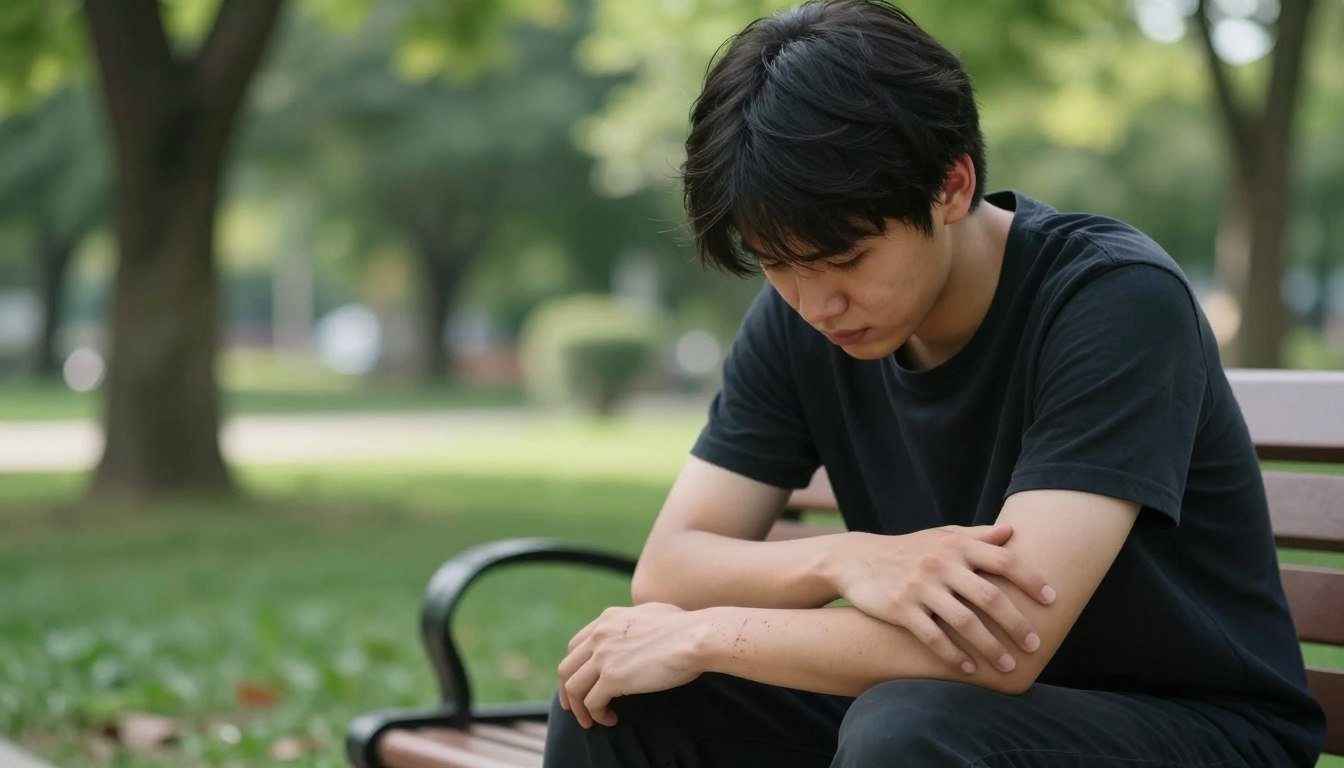
When a teen’s arms tell a story we cannot hear, families and faith leaders often feel helpless. The question of why the youth cut cuts deep because it mixes fear, shame, and a desperate cry for relief.
We address this problem with compassion and clarity. Studies show about 17% of adolescents and 15% of college students in the United States have tried self-harm. Cutting often starts between ages 11 and 14. These numbers show it’s not rare and needs a caring response.
It’s important to clear a common misconception. Teen self-injury is usually not the same as a suicide attempt. For many young people, cutting is a way to manage emotions or communicate unbearable feelings. Experts say many adolescents who self-harm are intensely emotional and lack skills to handle distress.
Here is the hopeful part: with timely, evidence-informed support, most teens who self-harm can recover and thrive. Untreated self-injury can raise suicide risk, but intervention works. That’s why Impact Family Christian Counseling offers healing that is both psychological and spiritual, based on scripture like Psalm 34:18 and 1 Peter 5:7.
In the sections ahead, we will guide parents, pastors, teachers, and youth through signs, causes, spiritual dimensions, and counseling approaches grounded in Christian care. Our aim is practical help—so families and faith communities can respond with wisdom, warmth, and hope.
Understanding Why the Youth Cut: Prevalence, Myths, and Early Onset
We need to talk about this with care and truth. Studies show more teens cut themselves than we think. About 17% of adolescents and 15% of college students in the U.S. have tried self-injury at least once. Most start cutting between 11 and 14 years old. This age is critical because habits form fast. They can hide their actions under clothes and excuses. (Source: US National Library of Medicine)
It’s important to debunk myths about self-harm. One myth is that only a few teens do it. But, the truth is many young people try to cope this way. Another myth is that self-harm is always a sign of wanting to die. But, most teens do it to deal with strong feelings, even though the risk of suicide is higher if they don’t get help.
There are different ways teens self-harm. Cutting is the most common. Some scratch, burn, pick at their skin, or punch things. These wounds might look small at first but can get worse over time.
Teens often hide their injuries in places like their shoulders, thighs, or belly. Look for changes in their clothes, unexplained bandages, or odd behavior. Many who self-harm do it to find relief, not to get attention.
Adults, like parents, pastors, and teachers, are key in spotting these signs early. By understanding the patterns of self-harm in teens, we can offer help and support. This way, we can prevent things from getting worse.
Emotional Functions of Self-Harm: Cutting as Regulation and Communication
Cutting is a way teens manage overwhelming feelings. It helps them regulate their emotions. A sharp pain can calm racing thoughts, stop panic, or ease deep sadness. Some teens cut because they feel numb. This physical pain makes them feel alive or real again. Doctors look at why someone cuts, not just the cuts, to understand the problem.
Self-harm can also be a way to communicate. When words fail, a cut or wound sends a message. It tells others that emotional needs were ignored. Many teens are very sensitive and hard on themselves. They feel things deeply and struggle to handle stress. This is why they might act out instead of talking about their feelings.
- Primary functions: regulation of overwhelming emotion and immediate relief.
- Secondary functions: feeling when numb, distraction from intrusive thoughts, self-punishment for shame.
- Communication function: a nonverbal call for help that draws adult attention.
Helping teens find better ways to cope is key. Teaching them to ground themselves, practice mindfulness, and express feelings healthily is important. This way, they can stop relying on self-harm.
We also bring faith and compassion into this work. Using scripture, prayer, and being present can help build emotional strength and hope. When families listen and respond, the need for self-harm often decreases.
Trauma, Violence Exposure, and Invisible Wounds in Young People
Children and teens exposed to violence often carry invisible wounds. These emotional scars can lead to youth trauma and self-harm. Even without visible signs, the pain is real. Reactions to trauma vary. Some kids seem fine, while others have nightmares, withdraw, or get angry. Poor schoolwork, strained friendships, and physical complaints are signs of hidden pain.
Age affects how trauma shows up. Young kids might cling or have trouble sleeping. Older kids and teens may act out, take risks, or withdraw. Watch for signs like nightmares, being always on guard, or changes in appetite or sleep. Thoughts of wanting to die are a serious warning. We must act quickly and with care.
Helping involves practical steps and faith. First, ensure safety and stop the violence. Then, validate feelings and create a safety plan. If symptoms last, seek help from trained counselors who respect faith.
- Listen without judgment and name feelings.
- Create predictable routines and safe spaces at home and church.
- Connect families with trauma-informed care that blends clinical skill with pastoral support.
Caregivers and faith leaders play a key role. We can offer steady support, prayer, and referrals to Christian counselors. This helps reduce feelings of isolation and shows resilience.
Prevention is key. Reducing exposure and using trauma-informed care early can prevent more harm. With timely support, young people can heal, find hope, and build a strong future.
Risk Factors and Warning Signs Parents, Pastors, and Teachers Should Watch For

We want you to notice early signs of self-harm in youth. Small changes can signal a bigger issue. Look for signs like wearing long sleeves in warm weather or unexplained cuts.
Behavioral clues include excuses for injuries or bloody tissues in trash cans. Emotional and functional signs often appear with physical marks. These can be sadness, mood swings, nightmares, or changes in sleep or appetite.
Teens might also show a drop in grades or start to isolate. They might use substances or take dangerous risks. These are common signs of self-harm in school. Teens with a history of trauma are more at risk. Experiences like domestic violence or feeling responsible for harm can lead to self-harm. These signs should prompt concern from adults.
Self-harm often starts around ages 11–14. Teens might first talk to friends about their struggles. If they push you away, be patient. Stay calm and welcoming, as presence is more important than pressure.
- Behavioral clues: long sleeves, unexplained injuries, bloody tissues.
- Emotional signs: intense shame, sudden mood lift after private time, hopelessness.
- Functional signs: drop in school work, social withdrawal, risky behaviors.
Spotting teen self-injury requires paying attention to both what you see and hear. Ask gentle questions and show you care. Say, “I’m worried and I want to listen,” before trying to fix the problem.
Avoid blaming or reacting sharply. If self-harm persists or shows signs of suicidal intent, seek help. A professional can assess the situation and create a treatment plan that respects faith and family values.
For support, consider a faith-based counselor at Impact Family Christian Counseling. They offer assessment and planning that combines clinical care with spiritual support. This helps families heal together.
Christian Perspective: Spiritual Factors, Identity, and the Search for Meaning
We look at self-harm through a spiritual lens. It connects emotional pain with questions about worth and belonging. A Christian view sees spiritual factors behind youth cutting—shame, isolation, and a fight over identity and hope.
Young people struggle with their identity and where they belong. When faith and identity are uncertain, some turn to cutting. They do this to signal or feel in control. This behavior hides a deeper search for meaning and acceptance in Christ. Shame can lead to self-punishment and silence. Our goal is to replace lies with truth about God’s love. In counseling, we tackle false beliefs about worth and guide towards biblical identity rooted in grace.
Spiritual warfare and self-injury are discussed in pastoral care as part of a larger spiritual battle. Pastors and youth leaders create safe spaces for confession, prayer, and reassurance. They remind us that God draws near to the brokenhearted (Psalm 34:18).
We mix spiritual practices with evidence-based care. Prayer, scripture, and spiritual discernment go alongside safety planning and clinical techniques. This approach respects both faith and professional standards.
- Offer steady presence and listening.
- Affirm identity and faith as sources of worth.
- Refer to trained counselors when suicide risk is present.
We aim to carry burdens together and live out Galatians 6:2 in practical ways. Hope comes from Jesus’ compassion for suffering souls and community that points youth towards healing and belonging.
Evidence-Informed Counseling Approaches From a Christian Counseling Perspective

We offer practical, evidence-based methods that blend clinical care with spiritual support. Our team, trained in adolescent mental health, uses DBT Christian counseling. This approach teaches mindfulness, emotion regulation, and interpersonal skills within a Christian framework.
Our assessment starts with a thorough safety check. We differentiate between nonsuicidal self-injury and suicidal intent. We also assess trauma history and spiritual needs. This careful intake helps us create a treatment plan that fits each individual.
Family involvement is key. We teach family skills to build a common language and reduce judgment. Parents learn how to validate and listen reflectively, making conversations more open. We prioritize trauma-informed care. This means focusing on safety, trust, collaboration, empowerment, and cultural and spiritual sensitivity. These principles help youth feel safe and valued during their healing journey.
We provide teens with practical tools to replace cutting. Therapists teach grounding, sensory strategies, and substitute behaviors. We also encourage the use of prayer, scripture, and church support for those who seek it. Having the right staff is critical. Counselors need training in adolescent care and evidence-based models like DBT. When they combine DBT with Christian values, results show significant improvement.
We strive for lasting change. By focusing on skill building, family involvement, and spiritual resources, we help youth develop life-affirming coping strategies. Our approach emphasizes long-term resilience, combining clinical best practices with faith.
What Helps Youth Move Toward Healing: A Christian Counseling Perspective
Christian counseling does not stop at simply trying to eliminate harmful behaviors. Rather than focusing solely on behavior correction, it seeks heart transformation—addressing the deeper wounds that give rise to self-harm. The goal is not just to stop the action, but to heal the pain beneath it.
1. Moving from Shame to Grace
One of the most significant steps in healing is helping youth step out of self-condemnation and into God’s grace. Many young people who self-harm live under an intense weight of shame, believing they are broken beyond repair. Christian counseling redirects them to the truth of Romans 8:1: “There is therefore now no condemnation for those who are in Christ Jesus.”
The Approach: Counselors gently help youth understand that their worth is not determined by their struggles, their scars, or their ability to “do better.” Their value is rooted in their identity as God’s beloved children. Healing begins when shame loses its power.
2. Reframing Self-Punishment Through the Cross
For some youth, cutting becomes a way to punish themselves—to “pay” for their pain, guilt, or perceived failures. Christian counseling addresses this by pointing them to Christ as the Suffering Servant.
The Truth: Isaiah 53:5 reminds us that Christ was wounded for our transgressions and that healing flows from His suffering, not ours.
The Shift: Youth are guided to understand that Jesus has already borne the punishment they feel compelled to carry. The cross becomes the place where pain is surrendered, not recreated. Healing comes through receiving His sacrifice, not repeating suffering in their own bodies.
3. Learning Lament as a God-Given Language
When emotional pain has no outlet, it often turns inward. Christian counseling introduces youth to the biblical practice of lament—a holy way to express grief, anger, confusion, and sorrow.
The Tool: Through the Psalms, youth learn that God welcomes honest cries. They discover that they can bring their raw emotions to Him without fear of rejection. As pain is voiced rather than suppressed, the internal pressure that fuels self-harm begins to ease.
4. Confronting the Lies That Fuel the Pain
In a Christian framework, self-harm is often connected to the voice of the Accuser—persistent lies that distort identity and hope.
The Strategy: Counselors work with youth to identify these lies (“I am worthless,” “No one cares,” “I deserve pain”) and actively replace them with truth from Scripture. By learning to “take every thought captive” (2 Corinthians 10:5), youth begin to rebuild their thinking around God’s promises rather than destructive self-beliefs.
5. Healing Through Community and the Body of Christ
Self-harm flourishes in isolation, but healing grows in safe connection. Christian counseling emphasizes the importance of supportive relationships—parents, mentors, pastors, or trusted peers—who respond with compassion rather than fear or judgment.
Being seen, known, and loved within the Body of Christ helps mend relational wounds that often lie at the root of self-harm. Community reminds youth that they are not alone and do not have to carry their pain in silence.
A Note on Safety and Integrated Care
While spiritual counseling is essential, Christian counselors also recognize the importance of holistic care. This may include collaboration with medical professionals to assess physical or chemical factors, as well as establishing safety plans to protect the youth during vulnerable seasons. Faith and wisdom work together to support both spiritual and physical well-being.
Biblical Hope and Healing: Scripture to Encourage Youth and Families
We create a safe space where faith and care meet. Short Bible verses can calm a troubled heart. Psalm 34:18 reminds us God is near to those who are brokenhearted.
Jeremiah 29:11 offers hope when the future seems uncertain. This verse helps families see pain as part of a bigger story of purpose. We encourage everyone to memorize it for comfort in tough times.
Psalm 147:3 talks about gentle healing: God heals the brokenhearted and binds up their wounds. This verse supports gentle care like prayer and counseling, helping people cope.
1 Peter 5:7 is a simple comfort: Cast all your anxiety on him because he cares for you. Use this verse in short prayers and meditations during crises. It reminds young people of God’s care while teaching coping skills.
- Use scripture for self-harm as an entry point to identity, not a substitute for clinical care.
- Practice Bible verses healing through short readings, journaling, and community prayer.
- Blend Psalm 34:18, Jeremiah 29:11, Psalm 147:3, and 1 Peter 5:7 with safety planning and skill-building.
At Impact Family Christian Counseling, we read scripture with compassion. We link biblical promises to daily actions. We combine spiritual practices with therapy for lasting change. This approach balances faith and professional care as we journey with families toward hope.
How Impact Family Christian Counseling Approaches Youth Who Cut
We start with a careful assessment and clear safety steps. Our team of Christian counselors talks about the reasons, how often, and what triggers it. We also look into past traumas and support systems. We create safety plans and immediate risk management. This way, families know what to do in a crisis.
Our approach combines evidence-based skills with gospel-centered care. We teach DBT skills and trauma-informed strategies. We also offer family training and spiritual support when needed. This mix of practical and spiritual care makes our approach unique.
We teach parents and caregivers to respond with calm and validation. They learn to name emotions and set crisis plans. They also learn to use a shared language at home. This helps reduce shame and restore safe connection in families.
Christian counselors for teens give short, clear lessons. They teach distress tolerance, emotion regulation, and problem solving. Sessions include skill practice, role play, and reflection on identity in Christ.
We invite youth into hope without minimizing their pain. When needed, we work with pediatricians, school counselors, and church leaders. Our team respects boundaries and confidentiality. We ensure continuity of care.
Multidisciplinary support helps stabilize safety and daily routines.
- Assessment and safety planning for immediate risks
- DBT skills, trauma-informed care, and family training
- Spiritual care with prayer, scripture, and pastoral guidance
- Coordination with medical and school professionals
Faith-based counseling for self-harm aims to reduce cutting and build coping skills. Our goals include fewer self-injury episodes and improved emotion regulation. We also aim to strengthen family ties and help youth find hope in Christ.
If you’re worried about a young person who cuts, reach out for help. We offer compassionate, faith-integrated assessments. We will support you and your family, explain our approach, and create a plan for safety and healing